Newsletter 18th April 2026 Ed: Small Models, Big Impact – The Gemma 4 Revolution
18 April 2026 Issue: This edition explores Google’s Gemma 4 and the rise of Small Language Models (SLMs), where intelligence-per-parameter unlocks multimodal AI for local-first growth.
Hi Guys,
The "bigger is better" era of AI is officially being challenged. While the industry spent years chasing trillion-parameter giants, we are now seeing a big shift toward Small Language Models (SLMs) that prioritize "intelligence-per-parameter." Leading this charge is Google’s new Gemma 4 family. These models are designed to be "Small but Mighty," proving that you don’t need a massive server farm to run frontier-level AI. For developers and businesses, this means that high-performance reasoning and multimodal capabilities can now live directly on a laptop or a smartphone, drastically reducing latency and cloud costs.
Gemma 4 is natively multimodal. Available in sizes like the E2B and E4B (optimized for edge devices) and the 26B Mixture-of-Experts (MoE), it handles text, images, and even audio with ease. With a context window of up to 256K tokens, you can now feed entire code repositories or long legal documents into the model without losing the thread. For developers, the built-in "reasoning mode" and native function-calling mean you can build autonomous agents that don’t just "chat" but actually execute complex workflows and interact with APIs reliably.
In the Indian market, the potential for SLMs like Gemma 4 is pretty huge. With support for over 140 languages, including deep coverage of Indian regional languages, businesses can finally build truly bilingual interfaces that feel "native" rather than translated. For our 78 million MSMEs, the ability to run AI on-device or on low-cost local servers is a big win for data privacy and affordability. Whether it’s a voice-enabled agricultural assistant for rural farmers or a high-speed retail bot for a kirana tech startup, Gemma 4 will allow us to close the digital divide by bringing "Vibe Coding" and agentic automation to every corner of the country.
For developers, this is also going to be the era of "local-first" AI, where your workstation becomes a powerhouse for offline code generation and document parsing. The barrier to entry has never been lower, and the speed of deployment has never been higher.
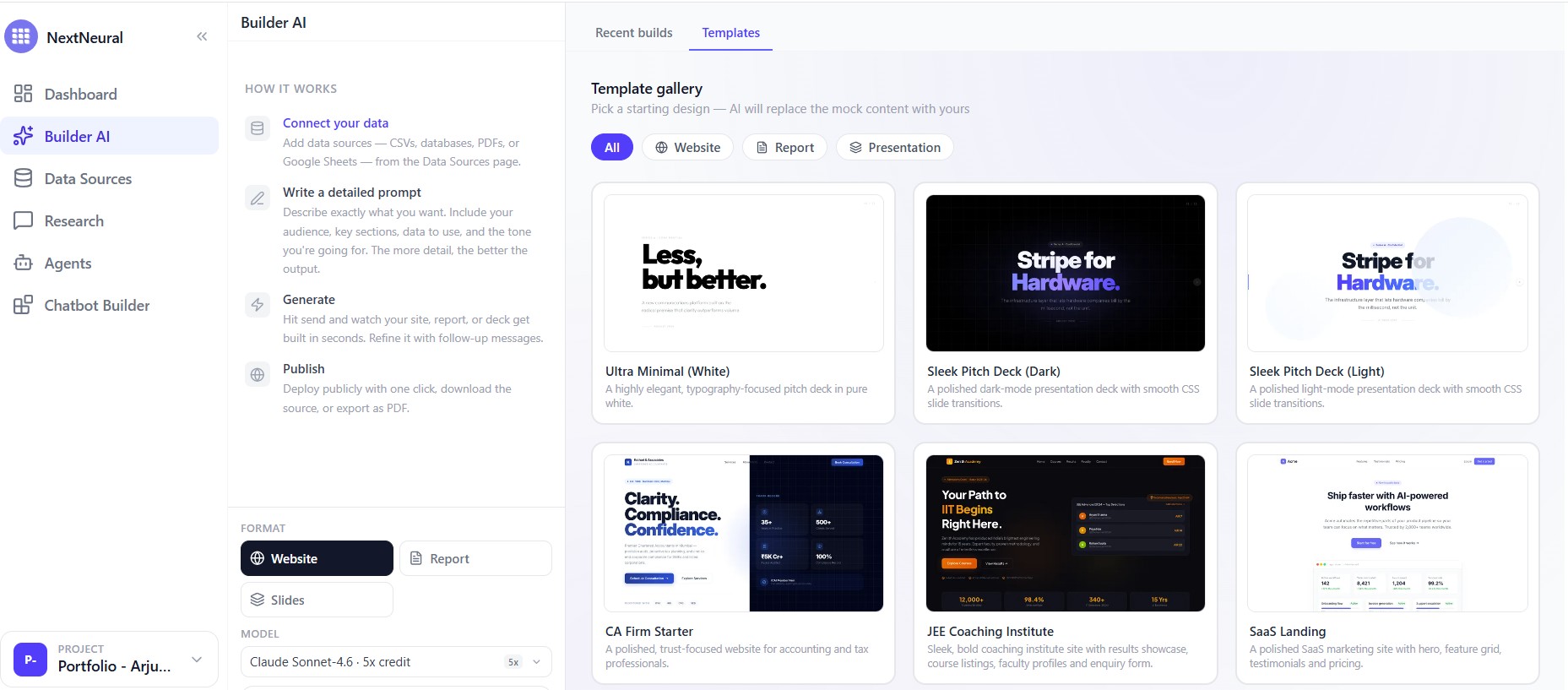
To wrap things up, keep an eye on Claude Mythos, Anthropic’s new specialized powerhouse. While Gemma 4 is your go-to for efficiency and edge use, Mythos is pushing the boundaries of cybersecurity and 1M-token context for the most complex, multi-step agentic tasks. At NextNeural, we’re committed to making these elite capabilities accessible to everyone. That’s why we are excited to announce that we are adding Webflow-like templates to our NextNeural Builder AI platform! Soon, you’ll be able to combine the raw power of models like Gemma 4 with high-fidelity, professional-grade design systems, allowing you to ship beautiful, AI-grounded websites faster than ever.
In-Depth Guides
Learn how to apply cutting-edge AI tools in your daily work.
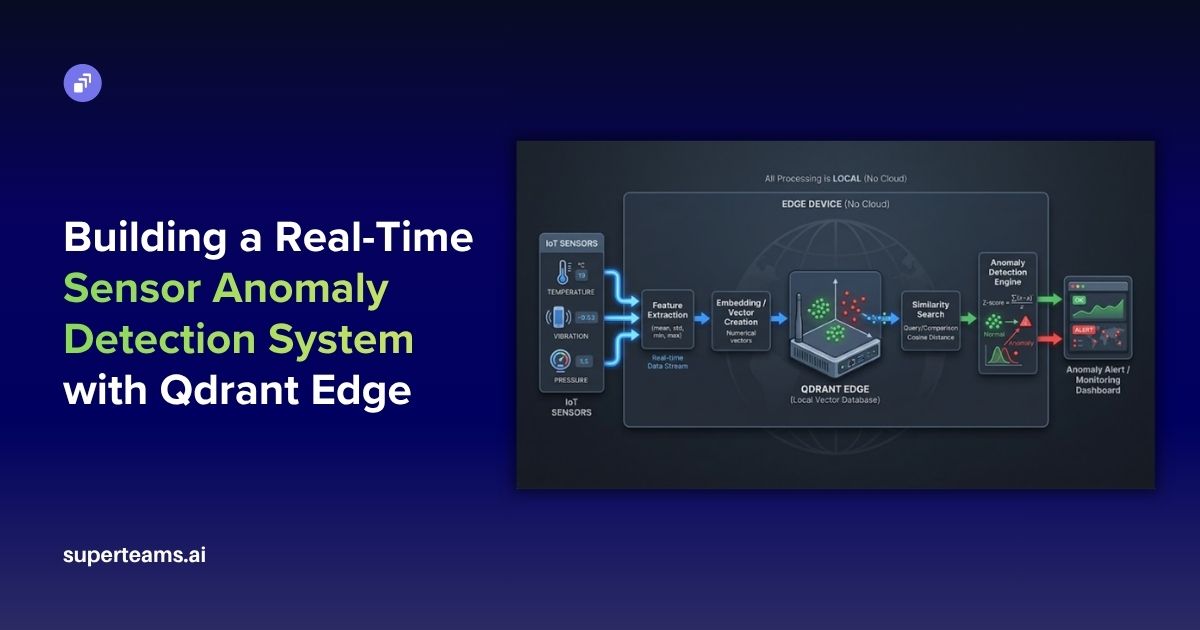
Building a Real-Time Sensor Anomaly Detection System with Qdrant Edge
Dive into this edge-based anomaly detection system using vector similarity and Z-score to learn normal patterns and detect anomalies in real time without labeled data.
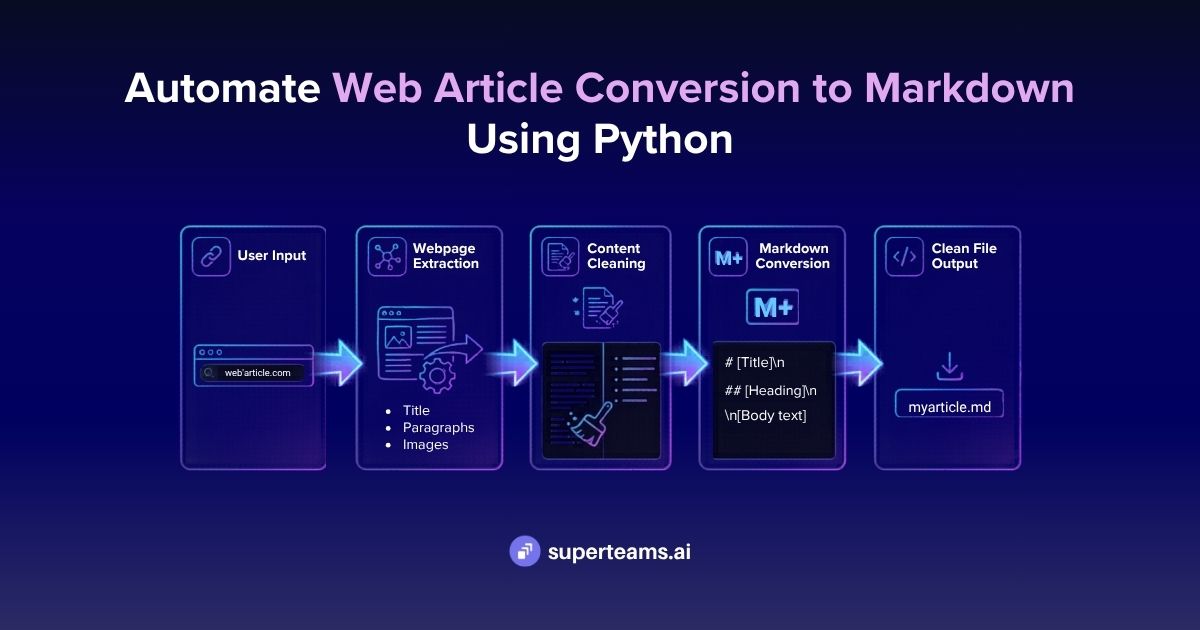
Automate Web Article Conversion to Markdown using Python
Convert any article URL into a clean, structured Markdown. This tool extracts main content, fixes images, preserves code blocks, and delivers a ready-to-use .md file instantly.
Building a Real-Time Voice Fraud Detection Pipeline: Detecting Fake Voices with AI
End-to-end deepfake voice detection system using audio preprocessing, MFCC and spectrogram features, and a CNN model to classify real vs synthetic speech, exposed via a FastAPI.
Why SMEs Are Choosing NextNeural Builder AI Over WordPress
Let’s compare WordPress with NextNeural Builder AI and discuss the strengths and weaknesses of both.
Struggling to Find a Webflow Designer? Switch to NextNeural Builder AI
NextNeural Builder AI has several advantages over Webflow. Find out what those are.
What’s New in AI
Anthropic's Secret 'Mythos' Model
Claude Mythos is Anthropic’s most advanced frontier model to date, representing a new class of intelligence that sits entirely above the current Opus flagship. Currently held in a gated "private preview" due to its unprecedented cybersecurity capabilities, Mythos has demonstrated a chillingly accurate ability to autonomously identify zero-day vulnerabilities and chain complex exploits. It is currently being reserved for high-stakes defensive work, aimed at fortifying global digital infrastructure before any wider release is considered.
Meta Superintelligence Labs Ships Muse Spark
Meta Superintelligence Labs, the high-stakes division led by Alexandr Wang, recently shipped its inaugural model, Muse Spark (codenamed "Avocado"). Marking a dramatic pivot from Meta’s traditional open-source Llama strategy, Muse Spark is a proprietary, natively multimodal powerhouse designed for "personal superintelligence" within WhatsApp and Instagram. It introduces a breakthrough "Thought Compression" technique that allows the model to deliver complex reasoning in science and health with massive token efficiency, alongside a "Contemplating Mode" that spins up parallel sub-agents to solve multi-part tasks in real-time.
OpenAI GPT-5.4: The 1.05-Million Token Context Reality
OpenAI kicked off the month by shipping GPT-5.4, which features a massive 1.05-million-token context window and a specialized "Standard Thinking" mode. This update allows developers to process entire codebases or hundreds of PDFs in a single prompt while maintaining a "75% success rate" on autonomous computer-use tasks (OSWorld), setting a new bar for production-grade software engineering agents.
Alibaba Happy Oyster: The Dawn of Real-Time "World Models"
On April 17, Alibaba’s Token Hub unit unveiled Happy Oyster, an open-ended world model capable of generating and interacting with virtual environments in real-time. Unlike previous video generators that produce short, static clips, Happy Oyster allows users to iteratively build and modify 3D scenes through continuous text and image instructions, signaling a massive leap for AI-driven gaming and immersive simulations.
Stanford 2026 AI Index: China Erases the Performance Gap
Released on April 14, the landmark 2026 AI Index Report confirms that Chinese AI models have nearly evaporated the U.S. lead in raw performance, with DeepSeek and Alibaba models trading places at the top of the leaderboards. While the U.S. still leads in total spending, the report highlights that China now dominates in publication volume, patent output, and the sheer speed of industrial AI adoption across the Micro, Small, and Medium Enterprise (MSME) sector.
About Superteams.ai
Superteams.ai organizes trained and vetted fractional AI teams that function as your extended R&D unit. We bring in specialized AI talent to rapidly prototype, deploy bespoke AI solutions, and accelerate your journey from idea to production-ready AI.
Book a Strategy Call or Contact Us to get started.
Authors

Want to Scale Your Business with AI Deployed on your Cloud?